


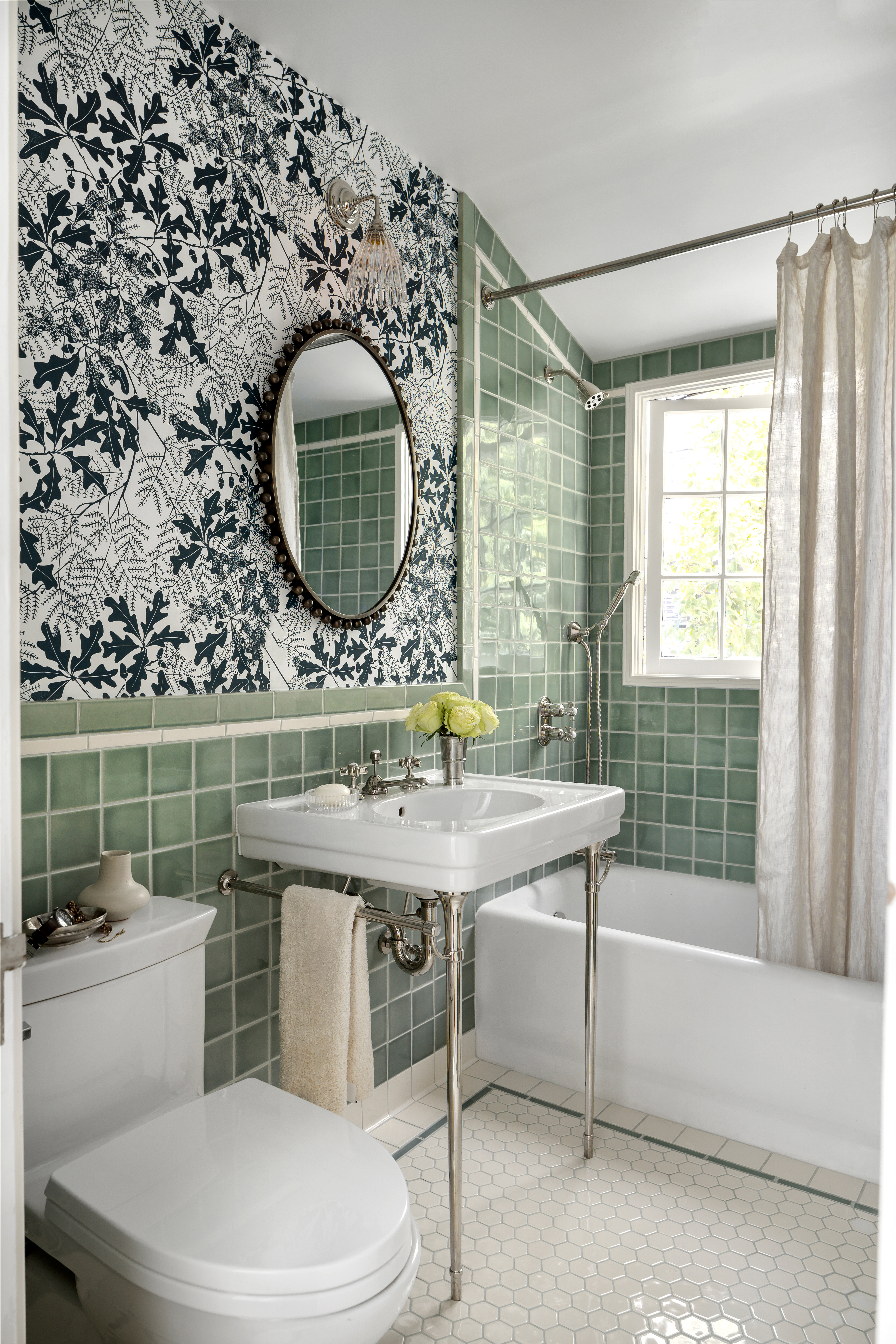
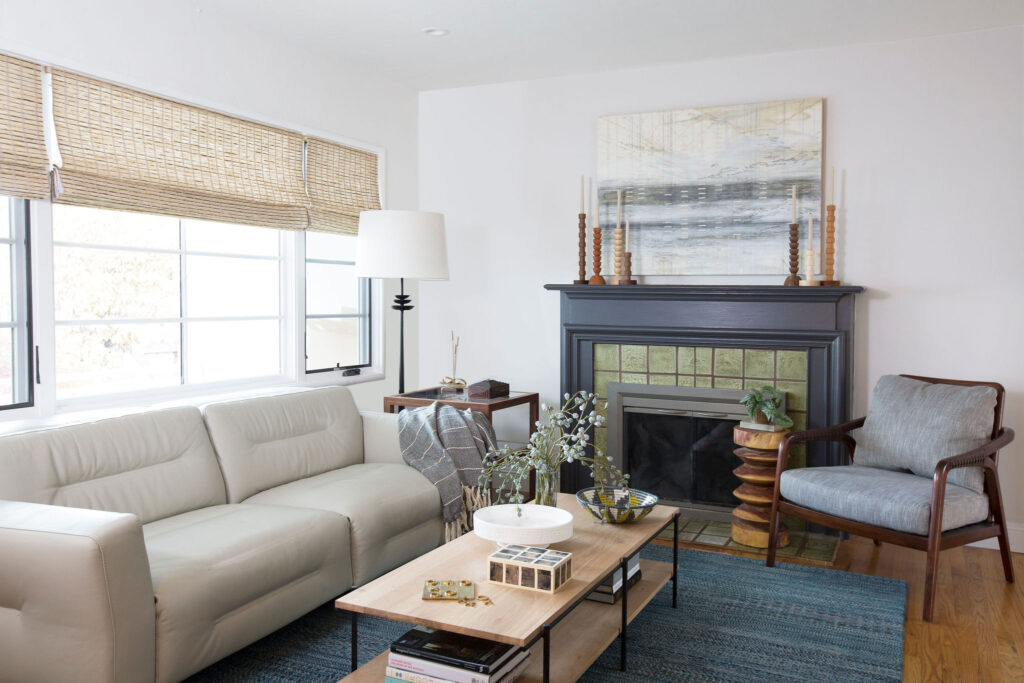
Have you ever imagined tackling a historic home interior design project, restoring it to its former glory and making it perfect for modern living? You’re not alone, and at MMID, preservation and historic home renovations in San Francisco and the Bay Area are some of our favorite projects. We love honoring the history of the home and blending in our clients’ unique styles and needs. While renovating a historic home can feel daunting, with a plan in place you can embrace your home’s history while giving it another chapter of its life.
Making A Plan of What to Keep Is Key to Renovating Historic Homes
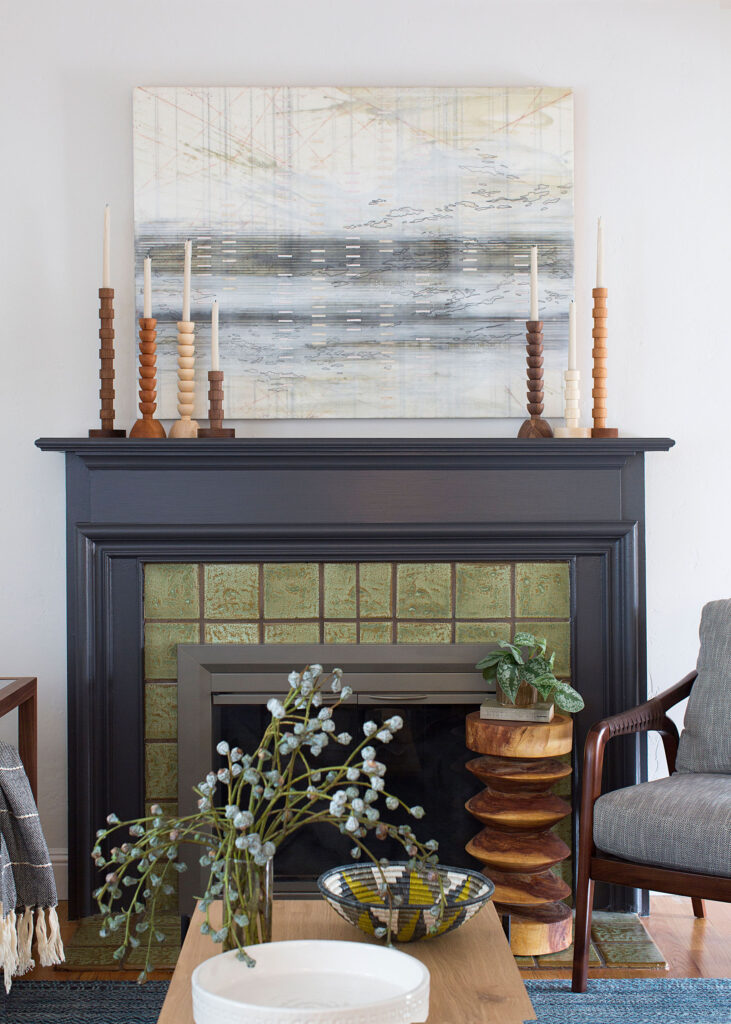
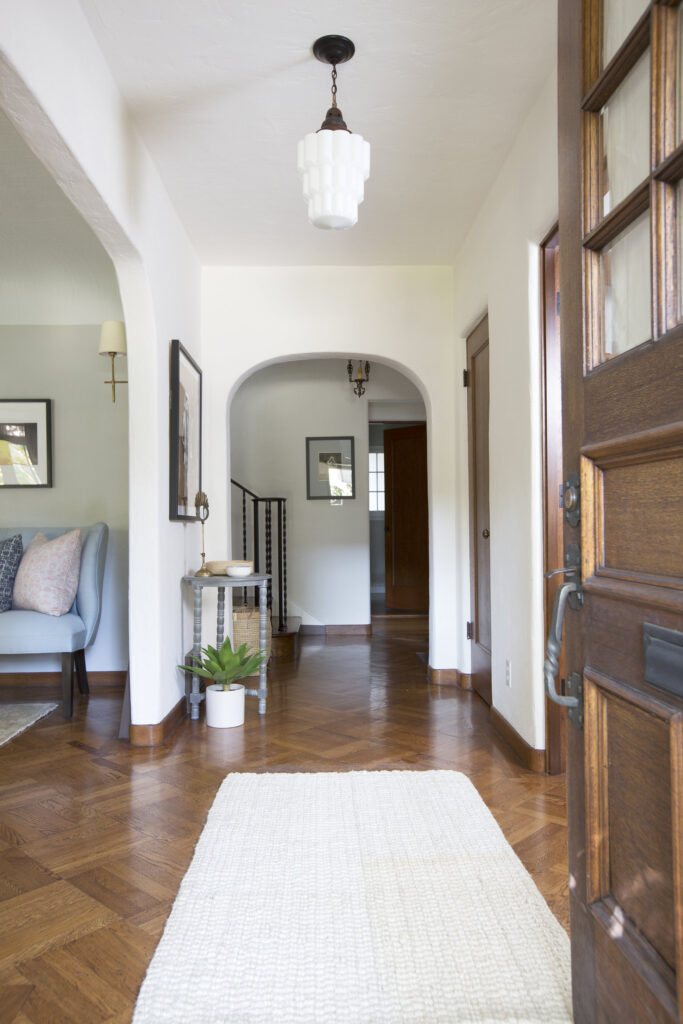
When deciding what to keep versus what to replace during your historic home renovation, identify what beauty is essential to keeping the glory of your home. Elements such as flooring, ceiling details, light fixtures, tile, and fireplaces are often key centerpieces of the home.
Consider what is valuable to the era of the home, what is monetarily valuable, and those special elements that make you say, “They don’t make them like this anymore!” These pieces deserve priority on the “keep” list. Additionally, determine what is original to the home, and what was added in later stages, as it’s not uncommon for these historic girls to have had a nip here or a tuck there. With that in mind, it can be tricky to determine what is worth keeping and what is not. As you peel back the layers, ask yourself, “What tells the story of the home?”
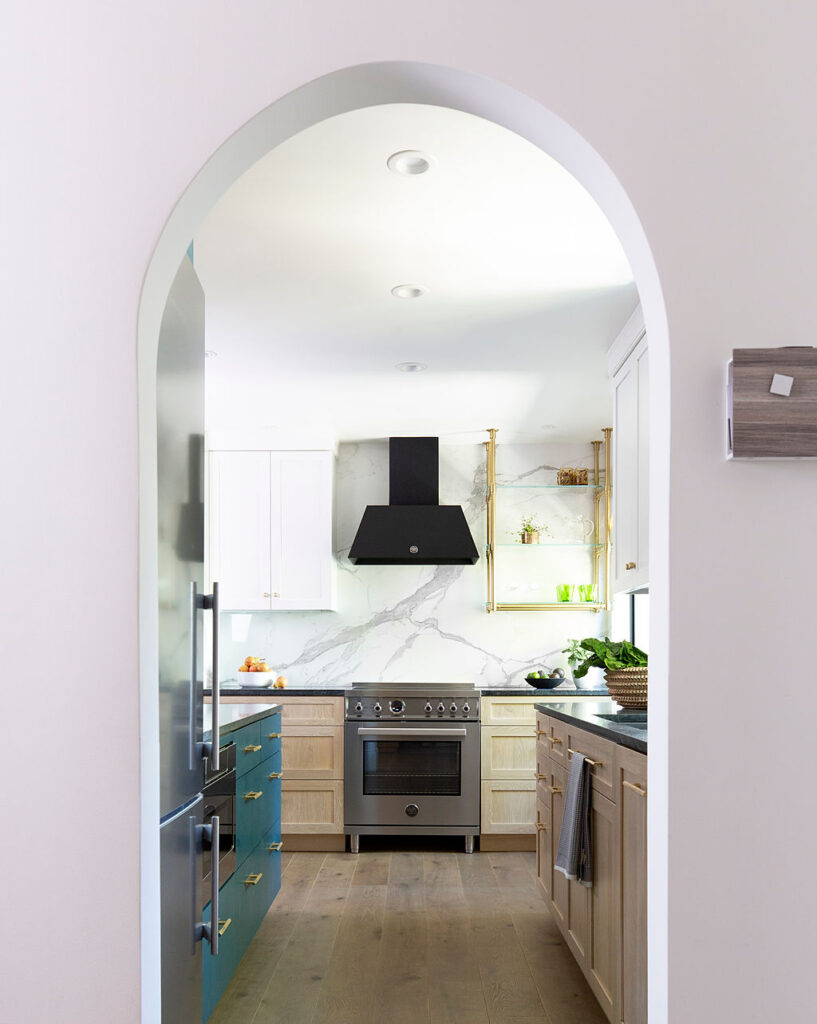
So much more than what we originally think can be saved and restored when it comes to historic home interior design. Tile can be regrouted (check out Vintage Tile Regrout), flooring can be patched, and arched openings can be re-sized or re-created. (We did this at All that Gloss and Glass). So don’t throw the baby out with the bathwater—or gorgeous vintage hardware out with the trash.
Salvage-and-Save Blueprint for Historic Home Interior Design
Let’s be honest here, once you start ripping things out, it’s very easy for pieces that you were “hoping to save” to become damaged ….or disappear to the dump when you are renovating a historic home. With a salvage-and-save blueprint in place, your crew can protect what will be saved or move it to a safe location before the sledgehammers start flying.
Part of the salvage-and-save plan should include restoring or refreshing older pieces. Unique, historic pieces that will not stay in the home but still have some value can be donated or sold via local salvage yards, where other historic homeowners can treasure them. For my California people, here are a few of my favorite salvage stores…
- Placemakers, Inc. in San Carlos
- Pasadena Architectural Salvage, in Pasadena
- Olde Good Things in Los Angeles (and NYC)
Documenting and Photographing Is Your Friend
All throughout your historic home renovation, it’s likely you’ll be reinstalling or recreating pieces such as the original molding or the curve of an arch. Photograph, document or take a sample before taking these architectural elements down. Often, pieces were cut to size for a specific space, purpose, or wall, and cannot simply “go anywhere”.
Word to the wise, make sure to number pieces meticulously and draw a “map” that clearly shows where each piece goes.
Can’t be salvaged. Look to see what can be recreated
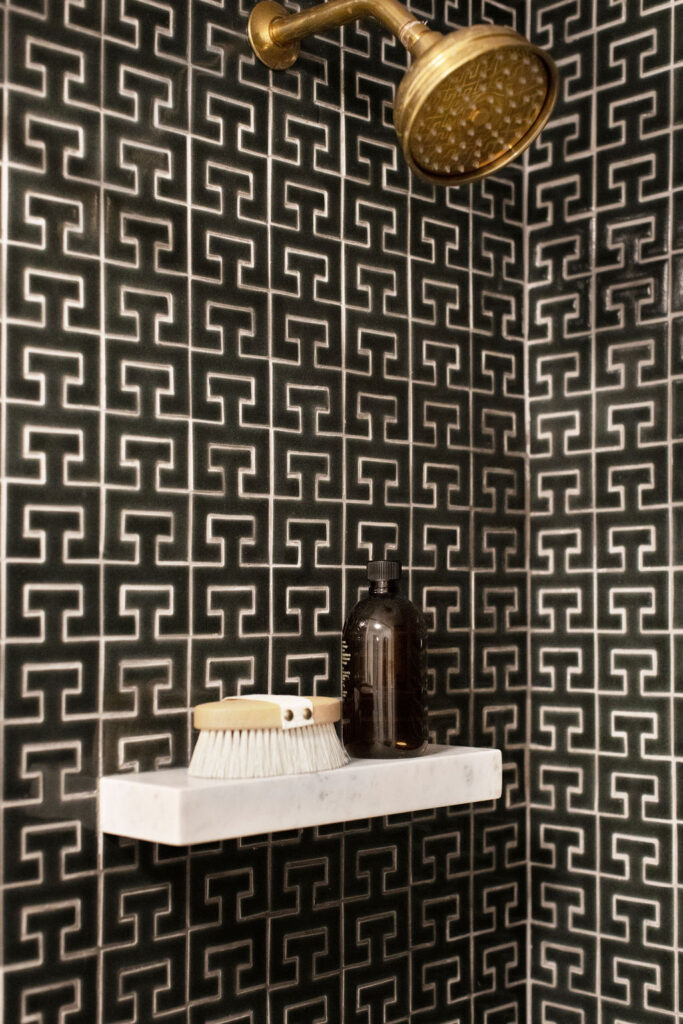
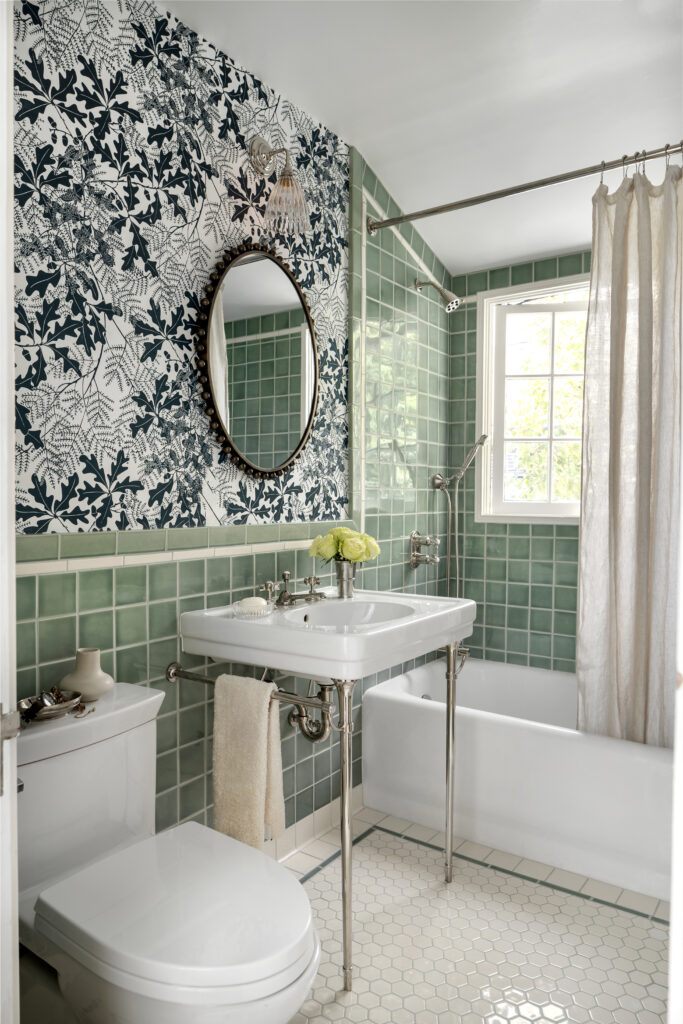
My heart breaks a little bit when a bathroom cannot be salvaged due to water damage or when a DIY “fix” now requires something to be tossed out for safety. When this happens, look to recreate the space in the same style as the era of the home and make it ready for the next 100 years. Select colors, sizes, and styles for your finishings that are true to the era. There are many resources for authentic or reproduction historic home interior design elements such as plumbing, tile, and lighting available. A few of my favorites are…
- Cabochon
- Vintage Bath carries brands like Lefroy Brooks
- Sign of the Crab
- B&W Tile
- and you can shop salvage both in person and online
In these instances, it is a full-blown historic home renovation, so feel free to add a modern touch, like soft clothes drawers, to make your space perfect for modern living.
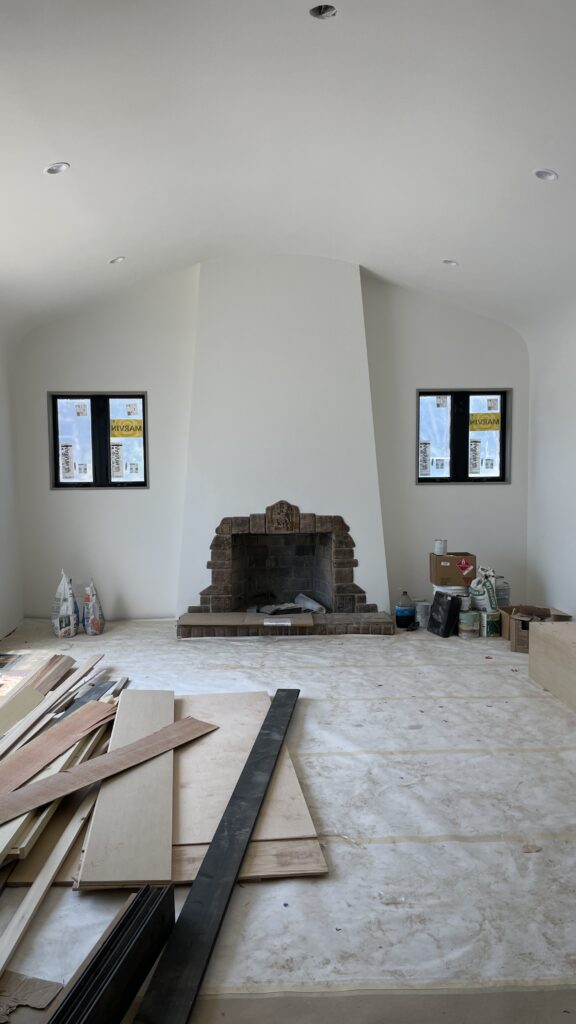
Historical trademarks of the era, such as curves in a complex barrel-esque ceiling can be recreated with drywall. In our Modern Storybook project, we did exactly that, replacing the lath and plaster after structural reinforcements, (hello, steel beams) were implemented to support the second floor.
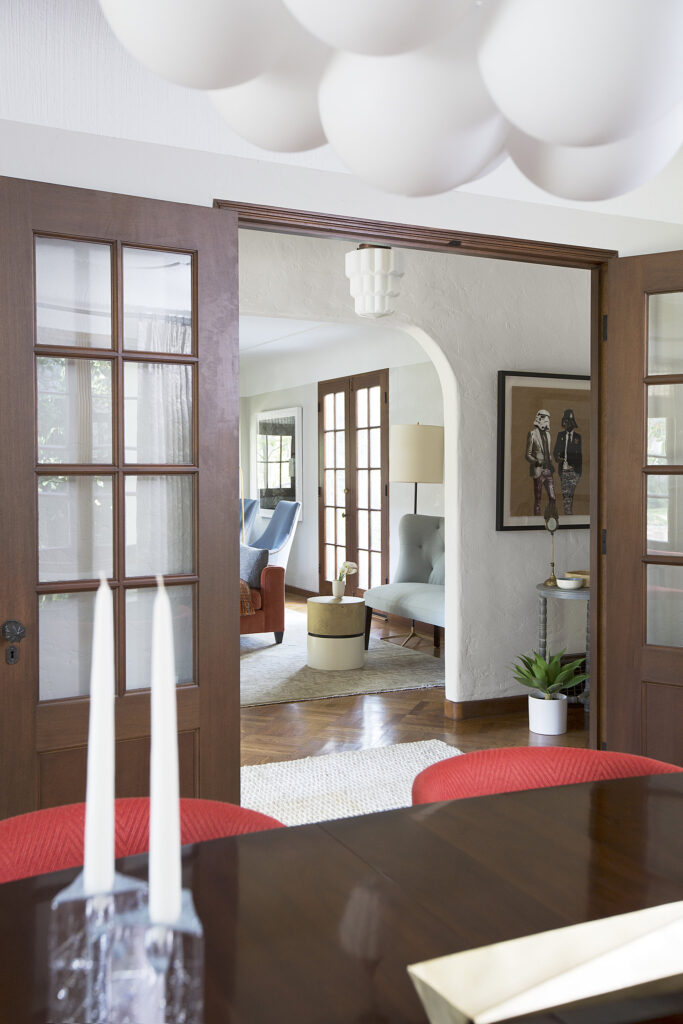
Even mahogany French doors can be recreated if lost. We faced this dilemma at our House Full of Readers project. The owner knew that there were once doors to the dining room. After a quick visit to the neighbors to see what was in their homes, we spotted the doors that were true to the era of the neighborhood. Luckily, we were able to have new mahogany doors made to match, as well as scored matching 1920s hardware no longer needed by another neighbor.
Restore Your Historic Home To Its Former Glory
What old home hasn’t had a bad 1960s (and possibly 80s) addition? While previous owners meant well, their attempts to modernize old homes were often disjointed and poorly executed. Whether you keep the addition or decide to bring it down, the goal should be to restore your historic home to its former glory.
Not sure how to make that happen? Your first step is to investigate and see if you can sleuth out the original historic home interior design of the home. Reach out to the previous owner, research old photographs, see if you can find the same architect, or even check with your city for records. Often, the city will have permits on file, or a historic registrar, such as PastHeritage.org, that you can check.
In between the exciting phases when we can something is considered “new” to the age when enough time has passed, and it’s considered “historical,” there is a middle space where things are labeled as “old.” It’s in those moments where pieces, styles, and finishes are often deemed devoid of value. But a respectful historic home renovation is unafraid to honor the old and offer it another chapter in its life.
So take a thoughtful approach to the “old” spaces in your home. Otherwise, you may accidentally be throwing out a piece of history.


+ Show / Hide Comments
Share to: